

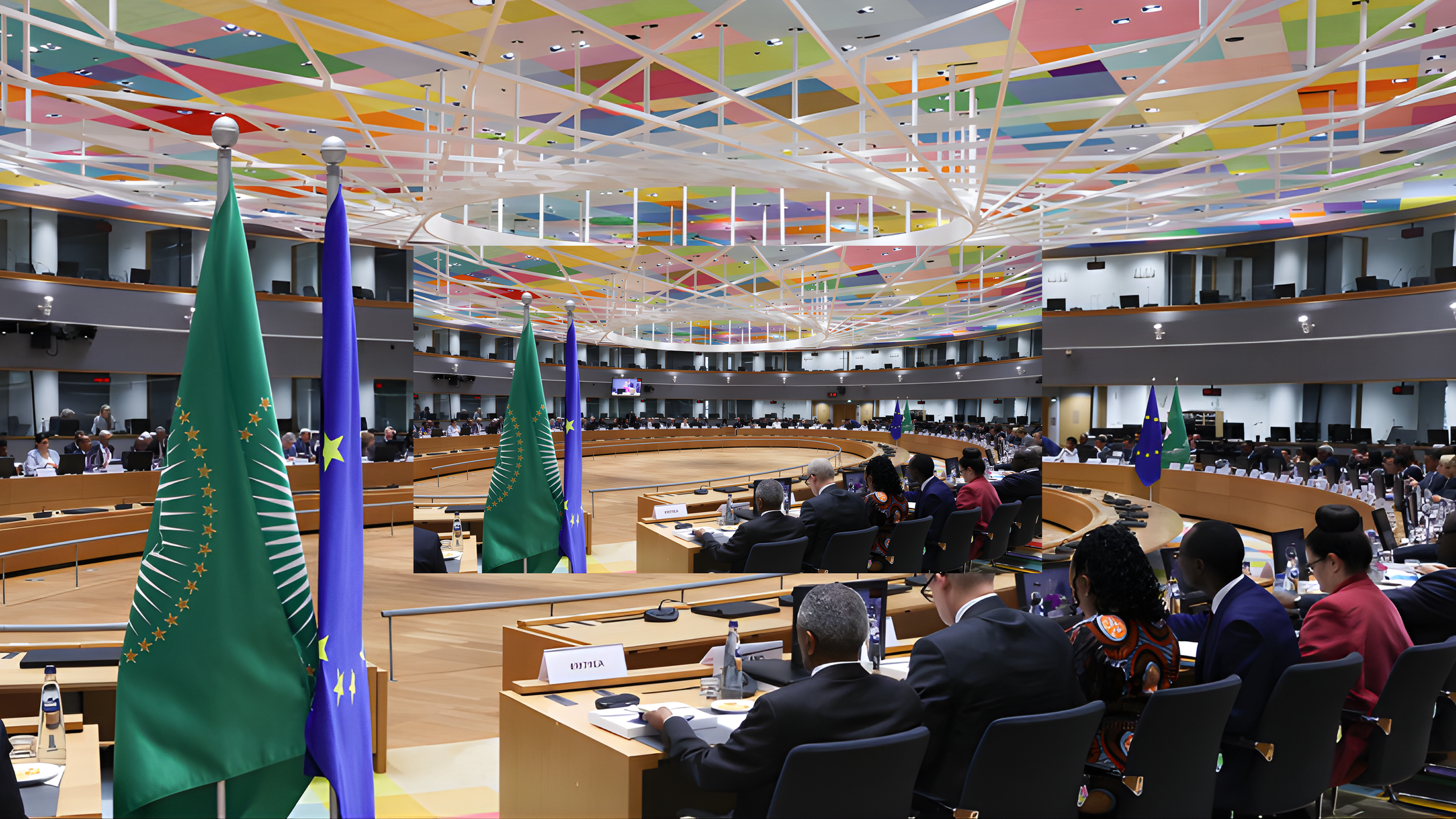
European Union-African Union Summit
President’s Letter
Dear Delegates,
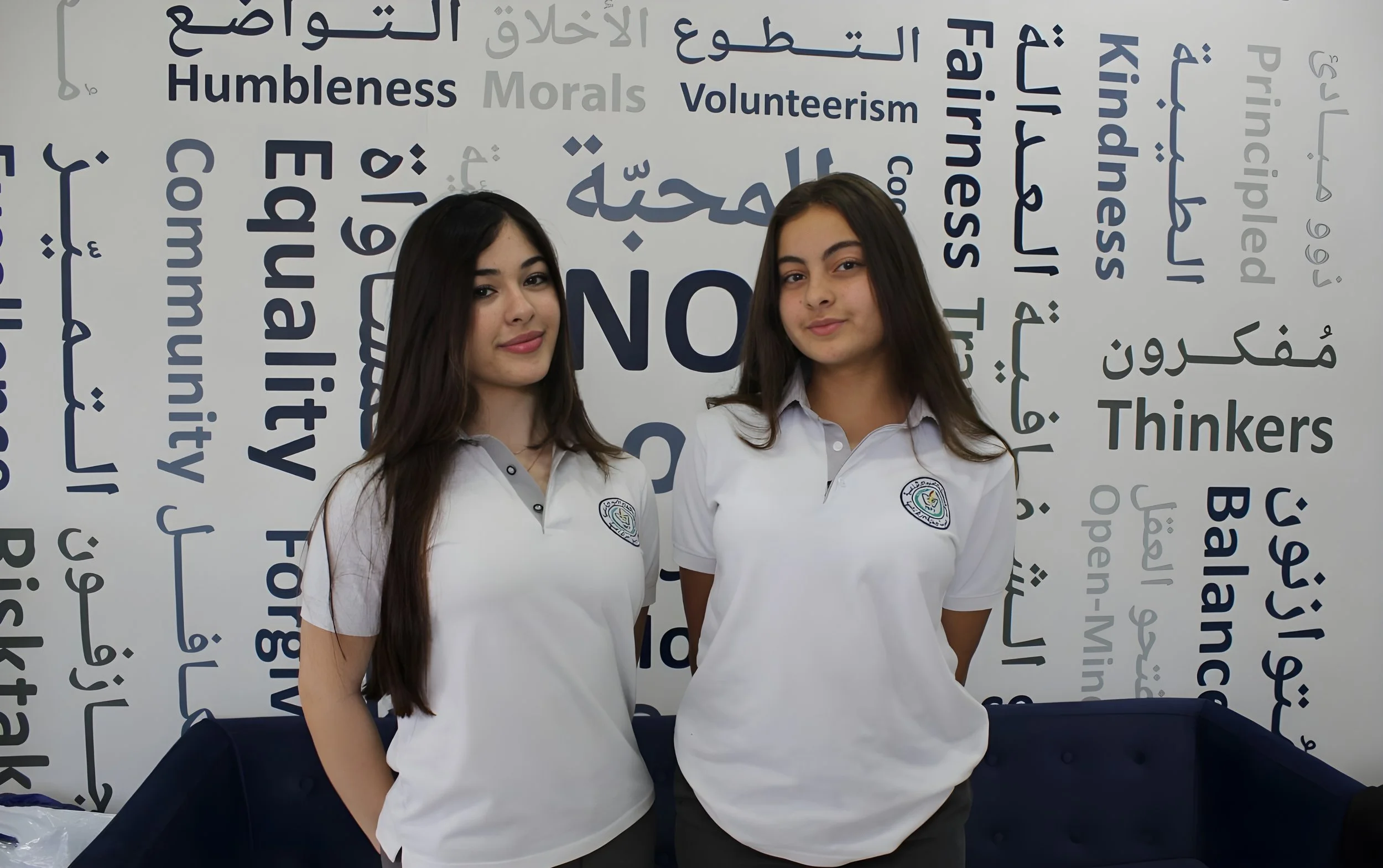
We want you to know first and foremost that we used to be seated exactly where you are. anxious, enthusiastic, occasionally overprepared, occasionally underprepared, and secretly hoping that this committee will become one of those MUN experiences that's the kind that stays with you long after the conference is over.
As your Co-Presidents, Sulaf Abulatif and Naya Karadsheh, we are truly thrilled to be here with you. MUN has always been more than just speeches and prizes to us. It’s been more about realizing that some of the most significant growth occurs in unexpected moments, discovering your voice when you are unsure of it, and learning how to disagree without losing respect all at once.
Since cooperation is at the heart of what MUN has given us, chairing together means a lot to us. At some point in our individual journeys, MUN evolved from being merely a conference or a simple extracurricular to a place that tested us, encouraged us to step outside of our comfort zones, and enabled us to develop in ways we can’t say we saw coming. It’s safe to say it ignited a spark in us, and we hope to share that spark with you throughout this experience, as it is what brought us to this point.
The moments in between are more important to us than how flawless a speech sounds or how confident it looks on paper, or the extensive use of “unique vocab”. The raw thoughts you express aloud for the first time, the questions you dare to pose, and the self-assurance you gain just by participating long after the committee is over, those are the memories that stick with you and slowly shape you.
We have a straightforward hope. That this committee develops into a place where you feel inspired to take chances, supported when you do, and proud of the work you do, regardless of the result. If you come away from this experience feeling more open to cooperation, more inquisitive about the world, or more assured in your voice, we’ll know we’ve done our job and ignited a spark.
We cannot wait to meet you, work alongside you, and share this experience together.
With excitement,
Naya Karadsheh & Sulaf Abulatif Co-Presidents
Topic 1: Addressing the Implementation of Sustainable Practices in Uranium Mining Across Africa
The EU-AU Summit serves as a key platform for cooperation between the African Union and the European Union, focusing on sustainable development, fair trade, and security. One major outcome of these discussions is the proposed Joint Framework for Sustainable Uranium Extraction in Africa, which seeks to align Africa’s resource wealth with Europe’s energy transition needs through transparent and equitable practices. Uranium, essential for nuclear energy and Europe’s clean power goals, is abundant in African countries such as Niger, Namibia, and South Africa. The framework aims to move these nations beyond raw material exportation toward greater economic value through local processing, technology transfer, and job creation. For the EU, it provides a reliable, ethically sourced uranium supply that meets Environmental, Social, and Governance standards while strengthening long-term energy security.
The framework also prioritizes environmental protection, fair profit-sharing, and community welfare to prevent exploitation and the resource-curse cycle (when resource-rich countries end up poorer and less stable because the wealth fuels corruption, conflict, and weak governance). It promotes clear regulations, transparency in licensing, and reinvestment of mining revenues into local economies. This partnership holds strategic importance for both continents: Africa gains greater sovereignty and sustainable development opportunities, while Europe ensures access to critical resources needed for its green transition. Without such collaboration, Africa risks remaining trapped in extractive dependency, and Europe faces growing vulnerabilities in its nuclear supply chain.
Topic 2: Promoting a Framework for EU–AU Economic Partnership to Foster Regional Development and Cooperation
The European Union and the African Union have a long history of cooperation, dating back to the 1960s, primarily based on trade and development. However, global economic competition, especially China’s recent economic boom in Africa, has shifted the balance of collaboration and created new pressure for the EU and AU to build a stronger and more coordinated partnership. Through the Belt and Road Initiative, China has been investing in large-scale energy and infrastructure projects, allowing it to gain significant political and economic influence in Africa. While this has boosted growth in some African nations, it has also created heavy debt burdens, as China eventually demands repayment on the large loans it provides.
These developments have reduced the EU’s bargaining power and pushed many African nations to lean more toward faster Chinese funding, making it harder for the EU–AU partnership to remain competitive. Because of this, the challenge now is not only counterbalancing China’s influence but also promoting a more reliable and long-term EU–AU economic framework that supports regional development and cooperation.
African nations risk losing sovereignty and economic autonomy as their dependence on external partners grows, making this summit critical for shaping the continent’s future. And while the EU’s Global Gateway offers an alternative, this summit needs to push for stronger action and deeper coordination to strengthen EU–AU economic ties and prevent any single external actor from gaining overwhelming influence.
Study Guide
EU-AU Summit Guide 2026
Delegate’s Guide